The California WUI code 2026 Visalia mandates that all new constructions and exterior alterations meet rigorous home hardening and defensible space standards starting January 1, 2026. These updated regulations under Title 24, Part 7 focus on ember-resistant materials and the implementation of a five-foot ember-resistant "Zone Zero" to protect properties in high fire hazard areas.
Navigating the evolving landscape of California building standards can feel like a moving target for Visalia homeowners, especially with the impending 2026 Wildland-Urban Interface (WUI) updates. These regulations represent a significant shift from previous Chapter 7A requirements; they introduce stricter mandates that directly impact your property value, insurance eligibility, and structural safety. Failing to account for these changes during a remodel or new build can lead to costly retrofits or project delays. This guide clarifies the complexities of the new code, from the critical five foot non-combustible zone to the specific material standards for vents and siding. You will learn how to identify your property fire hazard severity zone, navigate the financial implications of the California Safe Homes Act, and ensure your home meets the rigorous hardening benchmarks required for the next generation of wildfire resilience.
Understanding the Shift: From Chapter 7A to California WUI Code 2026
Is Your Visalia Property in a Fire Hazard Severity Zone?
Understanding your local risk is the first step toward compliance. In Visalia and throughout Tulare County, fire risk is no longer a concern reserved for deep forest dwellers. Recent March 2025 Cal Fire map updates significantly reclassified several areas within the Tulare County Local Responsibility Area (LRA). These updates reflect a changing landscape where suburban development and agricultural borders increasingly encounter wildfire pathways.
While Visalia proper is often viewed as a valley floor city, the eastern expansion toward the Sierra Nevada foothills places many new home construction projects within the Wildland-Urban Interface. Visalia currently faces a moderate to high risk of wildfire; this risk is driven by seasonal winds and dry vegetation common to the Central Valley. As the city grows toward the foothills, the boundary of the WUI shifts, bringing more parcels under the jurisdiction of the new building standards.
To determine your specific risk level, you should visit the Cal Fire Fire Hazard Severity Zone (FHSZ) Viewer. By entering your specific address, you can see if your property falls into a Moderate, High, or Very High zone. It is a common misconception that only the Very High designation triggers the California WUI code 2026 Visalia requirements. In reality, Tulare County and local municipalities often adopt these stringent standards for any property mapped within the WUI to ensure long term safety and insurance eligibility.
Even if your parcel is currently in a Moderate zone, local building departments are increasingly requiring WUI-compliant materials for remodeling and additions. This proactive approach helps mitigate the ember blizzard effect, which can carry sparks miles away from the main fire front into residential neighborhoods. If you are unsure how the latest map reclassifications affect your property lines, you can contact our team to review your site plan against the current Cal Fire and local zoning overlays.
The 5 Foot Rule: Navigating Zone Zero Requirements in Visalia
Under the California WUI code 2026 Visalia standards, the concept of Zone Zero becomes a mandatory design consideration for every property within the interface. This five foot buffer zone immediately surrounding the exterior walls of a structure is designed to eliminate fuel sources that could ignite via windblown embers or radiant heat. The goal is to ensure that if embers land near your foundation, there is nothing for them to ignite.
In many traditional Visalia landscapes, wood bark or decorative mulch is used right up to the home foundation. Under the new regulations, these materials are prohibited within the first five feet. Combustible mulch acts as a fuse, allowing embers to smolder and eventually ignite the siding or enter through crawlspace vents. Additionally, any wooden fencing attached directly to the house must be replaced with non-combustible materials, or separated by a metal gate or masonry pillar, to prevent a fire from traveling directly to the main structure. Dry vegetation, including shrubs that are not well irrigated, must also be removed from this perimeter.
Material Category | Prohibited in Zone Zero (0-5 ft) | Permitted in Zone Zero (0-5 ft) |
|---|---|---|
Ground Cover | Wood mulch, bark, pine needles | Gravel, river rock, crushed stone |
Hardscape | Attached wooden decks, wood slats | Concrete, pavers, brick, tile |
Features | Plastic planters, attached wood fences | Metal planters, masonry, fiber-cement |
This mandate significantly impacts remodeling and additions by shifting the focus toward hardscaping. When we plan a project, we prioritize the use of pavers or concrete walkways within that five foot radius to meet the strict safety requirements of the California WUI code 2026 Visalia. For those starting new home construction, integrating these zones early in the site plan ensures a seamless inspection process and provides a modern, low-maintenance aesthetic that withstands the dry Central Valley climate.
Core Home Hardening Requirements for 2026: Vents, Roofs, and Siding
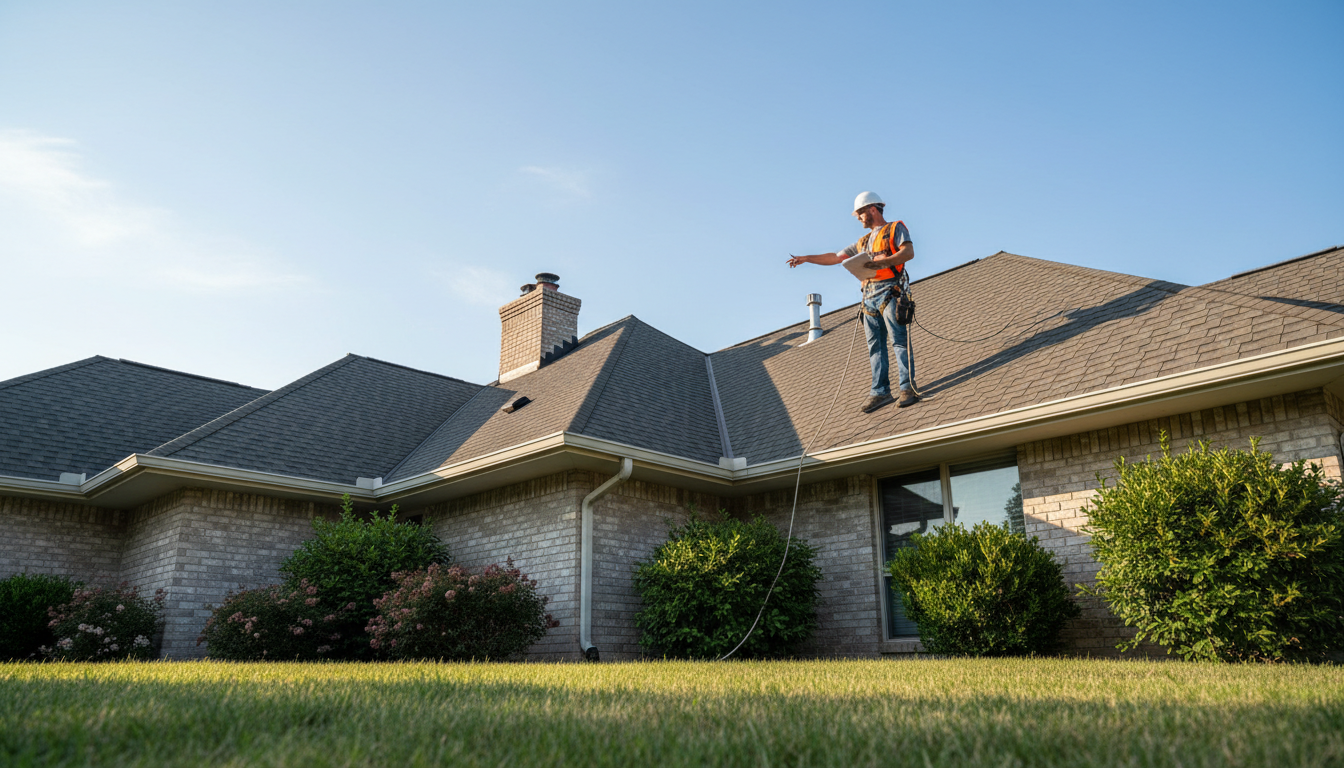
Moving beyond the five foot perimeter, the structure itself must be capable of withstanding the "ember blizzard" that often precedes a wildfire front. Under the California WUI code 2026 Visalia, technical standards for the building envelope are no longer general suggestions. These requirements focus on the three most vulnerable areas of any Tulare County home: the roof, the vents, and the siding.
Roofing is the most critical component of home hardening. Every new roof or significant replacement in a designated fire zone must utilize a Class A fire-rated assembly. This rating indicates that the entire system, including the underlayment and the surface material, has been tested to withstand severe fire exposure. In Visalia, this typically involves asphalt glass fiber mat shingles, clay or concrete tiles, or specialized metal roofing. It is vital to remember that the Class A rating applies to the assembly as a whole; installing fire-rated shingles over a non-compliant underlayment will result in a failed inspection.
Vents are the primary entry point for fire-starting embers. Traditional quarter-inch mesh screens are sufficient for keeping out pests, but they allow wind-blown embers to fly directly into attic and crawlspace cavities. The 2026 standards mandate vents that meet the ASTM E2886 standard. These must feature 1/16-inch mesh or specialized honeycomb baffles designed to catch embers and block radiant heat. This standard applies to all gable, soffit, and foundation vents.
Component | Standard/Rating | Technical Requirement |
|---|---|---|
Roofing | Class A Assembly | System-wide rating for severe fire exposure |
Vents | ASTM E2886 | 1/16-inch mesh or ember-resistant baffles |
Exterior Siding | Ignition-Resistant | Non-combustible (stucco/fiber cement) or treated wood |
Windows | Dual-Pane | Minimum one pane of tempered glass |
Siding choices for new home construction and remodeling and additions must now prioritize ignition-resistance. Fiber cement, stucco, and masonry are the most common compliant materials. If wood siding is used, it must be fire-retardant treated and meet the State Fire Marshal (SFM) listing. Many homeowners confuse "fire-resistant" with "WUI-compliant." A material might be fire-resistant in a general sense but lack the specific ASTM testing required for the California WUI code 2026 Visalia. Always verify the OSFM listing number on any material before contact our team to begin the installation process.
How the 2026 WUI Code Affects Remodels and Additions
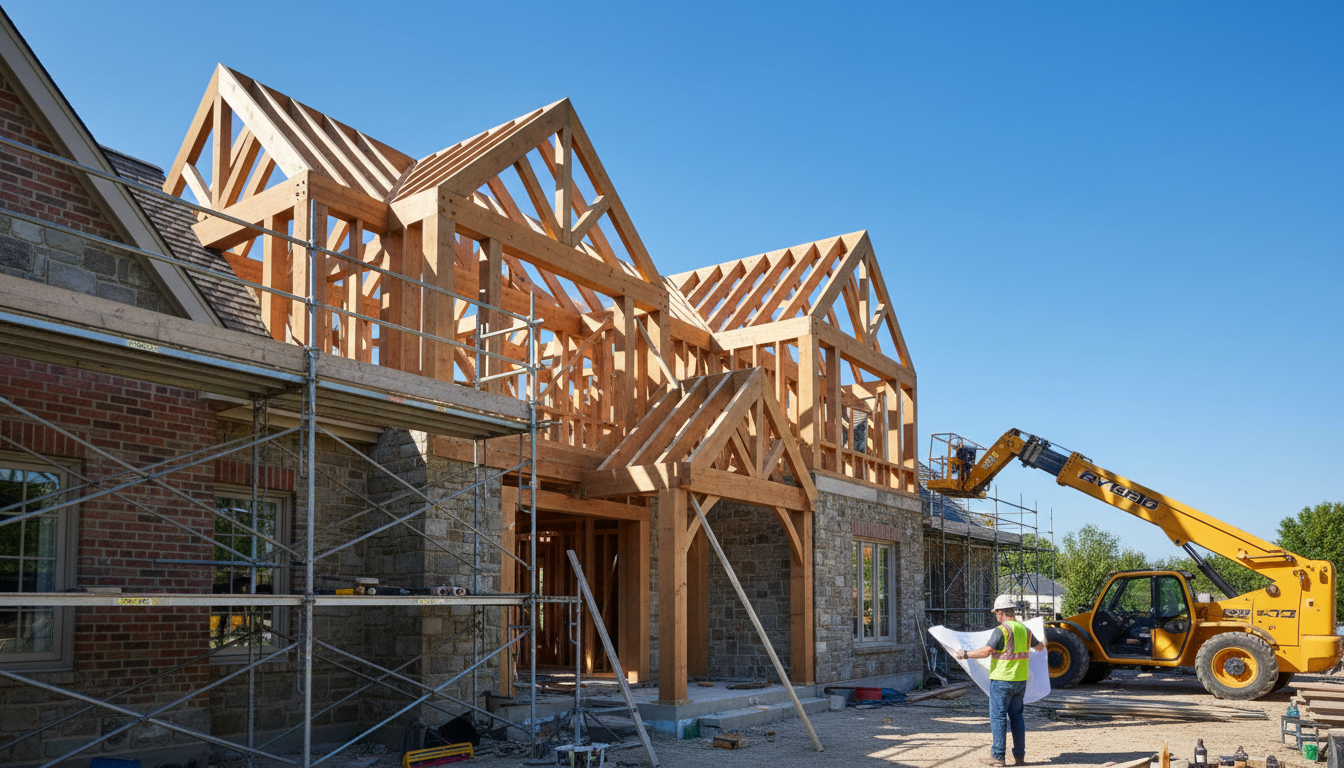
Many Visalia homeowners mistakenly believe the California WUI code 2026 Visalia only applies to ground-up new home construction. In reality, the most common way residents encounter these regulations is through remodeling and additions to existing properties. Tulare County building officials look for specific triggers during the permit process that mandate WUI-compliant upgrades, even if the house was originally built decades ago.
Any structural addition that increases the footprint of your home must meet current wildfire standards for that new section. However, the most significant impact on a project budget often comes from the 50 percent rule. If your renovation involves replacing more than half of the existing siding or roofing material, the jurisdiction may require the entire building envelope to be brought up to current code. This means a partial siding repair could quickly evolve into a full exterior retrofit, including new ASTM-rated vents and tempered windows.
Project Type | Compliance Trigger | Standard Applied |
|---|---|---|
Home Additions | Any new square footage | Full WUI compliance for the new portion |
Roof Replacement | Over 50% of total surface area | Class A assembly for the entire roof |
Siding Repair | Over 50% of exterior walls | Ignition-resistant materials for the whole structure |
Window Replacement | Any single window in WUI zone | Dual-pane with one tempered pane |
Understanding these thresholds is vital during the planning phase. These rules prevent a patchwork approach to safety, ensuring that the entire structure, not just the new addition, can withstand ember intrusion. Before you pull permits for an exterior overhaul, you should contact our team to determine if your specific scope of work will require full structural hardening to pass final inspection.
Budgeting for Compliance: Costs and the California Safe Homes Act (AB 888)
Integrating these upgrades involves a clear financial investment that must be accounted for early in the design process. For a standard new home construction project, adhering to the California WUI code 2026 Visalia requirements typically adds between $9,000 and $15,000 to the total budget. This price range covers the premium for Class A roofing systems, specialized ember-resistant vents, and ignition-resistant exterior finishes. While these figures represent an increase in upfront capital, they are a fundamental investment in the structural longevity and safety of your property in the Central Valley.
To help mitigate these expenses, homeowners should explore the California Safe Homes Act, established by AB 888. This legislation creates grant programs specifically designed to assist with the costs of home hardening retrofits and Zone Zero mitigation. For residents pursuing remodeling and additions, these grants can significantly offset the price of upgrading to ASTM E2886 vents or replacing combustible siding with fiber cement or stucco. State funding is often prioritized for high-risk areas, making it essential to verify your property’s status on the updated Cal Fire hazard maps during the grant application process.
Cost Factor | Estimated Impact | Primary Requirement |
|---|---|---|
Roofing Upgrades | $3,000 to $6,000 | Class A Fire-Rated Assembly |
Siding Materials | $4,000 to $7,000 | Ignition-Resistant Finishes |
Specialized Vents | $1,500 to $2,500 | ASTM E2886 Ember-Resistant |
Windows and Glazing | $500 to $1,500 | Dual-Pane with Tempered Glass |
Beyond immediate safety, compliance is rapidly becoming a non-negotiable factor for securing homeowners insurance. Many major carriers in California now require proof of WUI-compliant upgrades before they will issue or renew policies in fire-prone regions. Investing in these materials today protects your home from the "ember blizzard" effect and helps secure your ability to maintain affordable coverage in an increasingly restrictive insurance market. If you are drafting a budget for an upcoming build or renovation, you can contact our team for a detailed line-item estimate that reflects current local material and labor costs.
Partnering with a Local Visalia General Contractor for WUI Compliance
Navigating the transition to the 2025 California Wildland-Urban Interface Code (Title 24, Part 7) requires more than just a list of materials; it demands a precise execution strategy. Forge&FrameTrades, inc serves as your local expert in Visalia, bridging the gap between state mandates and on-site reality. Successfully passing a Tulare County building inspection under the California WUI code 2026 Visalia framework requires meticulous attention to the building envelope. We ensure that every joint in your ignition-resistant siding is properly sealed and that all vents strictly adhere to the ASTM E2886 standard.
The permitting process in Tulare County is evolving to reflect these safety updates, and professional construction management is essential to avoid costly delays. When we oversee new home construction or significant remodeling and additions, we handle the technical documentation required by local officials. This includes verifying the Office of the State Fire Marshal (OSFM) listing numbers for all exterior components. By coordinating with specialized suppliers, we ensure your project utilizes the correct Class A roofing and dual-pane tempered glass windows from the start. Proactive management prevents the common mistake of installing materials that look compliant but lack the specific fire-performance certification required for legal sign-off. To discuss how these new standards impact your specific property, contact our team for a professional consultation and site assessment.
Adapting to the 2026 WUI standards in Visalia is a vital step toward protecting your property and ensuring lasting safety. While these new regulations prioritize fire resilience through specific materials and design, keeping track of every requirement can feel complex. If you want expert help managing these upgrades or navigating the permit process, our team is ready to assist. You can read more about our history with local building codes to see how we help homeowners stay compliant and secure.