Homeowners can save an average of 15 percent on utility costs by investing in professional attic insulation Visalia CA and comprehensive air sealing. These upgrades lower monthly bills by preventing air leaks and using blown in materials to maintain stable indoor temperatures throughout the year.
In the heart of Visalia, the summer sun transforms your attic into a concentrated heat source that forces your air conditioner to work double shifts. Homeowners often face staggering utility bills while struggling to maintain a consistent indoor temperature, yet few realize their existing insulation is likely underperforming or improperly sealed. Effective climate control in Central Valley Climate Zone 4 requires more than just a fresh layer of fiberglass; it demands a sophisticated approach to building science. In this 2026 guide, we explore the essential relationship between air sealing and R-value, navigate the complexities of California Title 24 requirements, and break down the costs of modern materials. You will learn how to choose between blown in cellulose and fiberglass batts to ensure your home remains a sanctuary against the valley heat.
The Central Valley Heat Problem: Why Visalia Attics Become Furnaces
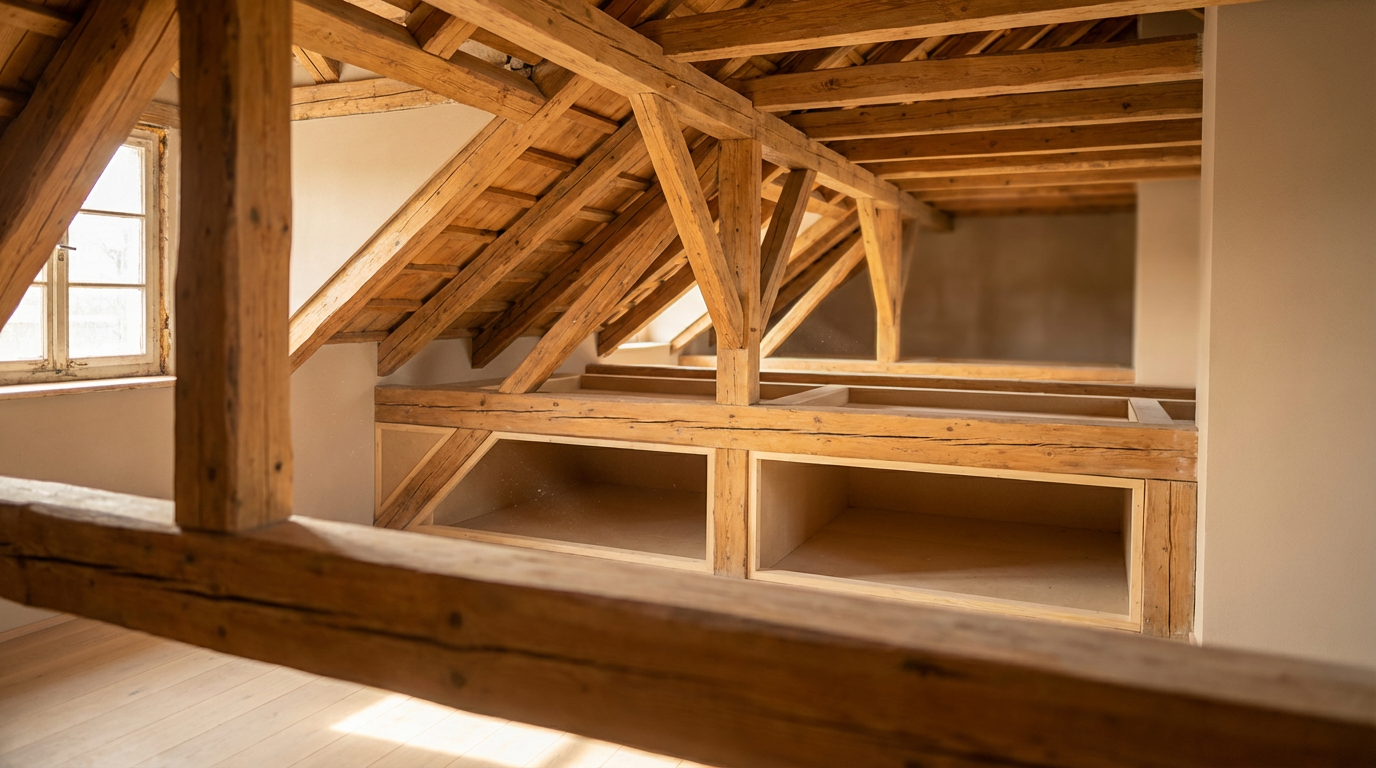
Visalia residents are no strangers to the grueling triple-digit temperatures that define July and August in the Central Valley. When the outdoor thermometer hits 105 degrees, the environment inside your roof undergoes a drastic transformation. In a typical home without updated attic insulation Visalia CA, attic temperatures often soar to 150 degrees. This volume of trapped, superheated air does more than just sit there; it radiates heat directly through your ceiling and into your living space, forcing air conditioning units to run constant cycles without relief.
The architectural landscape in Visalia, Tulare, and Hanford is heavily influenced by the 1970s ranch-style home. These properties frequently suffer from original insulation that has settled, compressed, or shifted over the decades. When insulation loses its loft, its R-value, the measure of thermal resistance, drops significantly. This degradation is compounded by the Stack Effect, a physical phenomenon where pressure imbalances draw air through the home. While often discussed in cold climates, in our region, the stack effect works to pull hot, attic air through recessed lighting and plumbing penetrations as the cooler, denser air from your HVAC system settles near the floor.
Managing this thermal transfer is a core component of comprehensive construction services. Without addressing the sheer volume of heat radiating from above, even the most expensive AC units will struggle to maintain a comfortable indoor temperature. If your utility bills are climbing alongside the mercury, you can contact us for a consultation to evaluate your current thermal performance and identify specific failure points in your attic's envelope.
Air Sealing vs Insulation: Why You Cannot Have One Without the Other

A common mistake in home performance is treating insulation as a catch-all solution. To understand why cooling bills remain high despite adding layers of fiberglass, you must distinguish between conductive heat flow and air movement. Think of insulation like a thick wool sweater. It is excellent at slowing heat transfer, but it does nothing to stop a hot breeze from blowing right through the knit. Air sealing is the windbreaker you wear over the sweater. Without that windbreaker, the stack effect continues to pull conditioned air out of your living space and into the attic, regardless of how much material you have installed.
Air sealing must be the priority before any new attic insulation Visalia CA is blown into the space. Because air movement carries both moisture and heat, it can completely bypass high R-value materials. If you lay new insulation over an unsealed attic floor, you are effectively trying to filter the air rather than stop it. This leads many homeowners to over-insulate, adding twenty inches of material without seeing a meaningful drop in utility bills because the house remains fundamentally leaky.
In the residential projects we handle through our construction management services, we identify several chronic leak points common in Central Valley homes:
Recessed "Can" Lights: These often act like small chimneys, venting expensive AC air directly into the 150-degree attic environment.
Plumbing Stacks: Large gaps often exist around PVC pipes where they exit the top plate of your walls.
Electrical Penetrations: Small holes drilled for wiring that run through the wooden frames of your home are rarely sealed in older builds.
The Attic Hatch: A simple piece of plywood often lacks the necessary weatherstripping or insulated cover to prevent air exchange.
By closing these gaps with professional-grade sealants or fire-rated foam, we create a contiguous air barrier. Only after this windbreaker is zipped up can the insulation perform its primary job of resisting the blistering heat radiating from your roof deck.
California Title 24 Requirements for Visalia and Climate Zone 4
Navigating the legal framework of home energy performance requires understanding California Title 24, the state’s Building Energy Efficiency Standards. Visalia is categorized within Climate Zone 4, a region defined by its significant cooling needs and high thermal loads. For homeowners planning to upgrade their attic insulation Visalia CA, current codes dictate a minimum thermal resistance of R-38 for vented attic spaces. While R-38 is the legal baseline, our professional recommendation for the Central Valley’s extreme climate is R-49 to maximize long term HVAC savings.
These values represent the material's ability to resist heat flow, which translates into specific physical depth requirements during installation:
Required R-Value | Approximate Material Depth (Blown-in) |
|---|---|
R-38 (Code Minimum) | 13 to 15 Inches |
R-49 (Recommended) | 17 to 19 Inches |
Homeowners often ask if they need a permit to add insulation to an existing attic. For a simple retrofit or top-off where no other structural work is occurring, a building permit is generally not required in local jurisdictions like Tulare County. However, if you are engaged in substantial remodeling or comprehensive construction services, Title 24 compliance becomes mandatory. In these scenarios, construction management ensures that all modifications to the building envelope meet strict energy calculations. Proper documentation during a larger renovation guarantees the home remains efficient and compliant with current state law.
Attic Insulation Costs in Visalia: What to Expect in 2026
Transitioning from code compliance to actual budget planning, homeowners should anticipate specific cost drivers unique to the local market. For a standard 2,000 square foot residence, professional installation of attic insulation Visalia CA typically falls between $1,800 and $4,500. This range accounts for the varying labor requirements found in older ranch homes compared to modern builds.
The total investment depends heavily on three primary factors that we evaluate during our initial assessment:
Cost Factor | Description | Impact on Budget |
|---|---|---|
Removal & Sanitation | Extracting old, compressed, or rodent-contaminated material. | Moderate to High |
Air Sealing Labor | Manual sealing of top plates, wire holes, and plumbing stacks. | Moderate |
Material Choice | Blown-in cellulose versus high-performance spray foam. | Variable |
Rodent waste is a frequent issue in Central Valley homes, particularly those located near rural boundaries. If existing material is heavily contaminated, full removal is a non-negotiable step for maintaining indoor air quality and ensuring the new thermal barrier sits flush against the attic floor. This process, while adding to the initial labor, is a core part of our comprehensive construction services to ensure a clean, effective envelope.
As of 2026, the landscape for financial incentives has shifted. The federal 25C tax credit expired at the end of 2025; however, local homeowners can still offset costs through utility programs. We recommend checking current rebate availability through Southern California Edison (SCE) or SoCalGas, as they frequently offer incentives for high-efficiency upgrades that exceed Title 24 minimums. If you are planning a larger renovation that involves these upgrades, our construction management team can help track these requirements. You can also contact us for a consultation to receive a specific quote tailored to your home’s square footage and current attic condition.
Choosing the Right Material: Blown In Cellulose vs Fiberglass Batts
Selecting the specific material for your attic insulation Visalia CA project determines how effectively the home will combat the heat soak common in the Central Valley. While fiberglass batts are a traditional choice, we often recommend blown-in cellulose for local retrofits. Cellulose consists of dense, treated paper fibers that settle into the irregular gaps around ceiling joists, plumbing pipes, and vertical wiring. This coverage is critical because even small voids in fiberglass batts can lead to thermal bridging, a process where heat bypasses the insulation and radiates directly into the living space.
Homeowners can gauge their needs using the 7 and 7 rule. If a visual inspection reveals less than 7 inches of existing insulation, the home is significantly under-insulated for the thermal demands of our region. For high end custom homes or projects managed through our construction management team, spray foam insulation offers a more robust solution. Although it carries a higher price point, spray foam serves as a dual purpose air sealer and thermal barrier, providing a level of efficiency that traditional materials cannot match.
Material Type | Performance in Visalia | Application |
|---|---|---|
Blown-in Cellulose | High: Fills all gaps and voids. | Best for ranch style retrofits. |
Fiberglass Batts | Moderate: Prone to gaps. | Best for open, standard joist spacing. |
Spray Foam | Elite: Integrated air sealing. | Best for custom builds and new additions. |
Choosing the right material is a core part of our comprehensive construction services. To determine which material fits your home's specific architecture, you can contact us for a consultation to review your options.
Common FAQ About Central Valley Attic Performance
Homeowners frequently ask if they should strip their existing material before starting an attic insulation Visalia CA project. Generally, if the insulation is dry and free of contaminants, it can serve as a base layer for a top off. You must prioritize removal, however, if there is evidence of moisture, mold, or rodent activity. In rural Visalia and the surrounding agricultural tracts, rodent infestations are a primary concern. Leaving nesting material or waste beneath new layers creates indoor air quality issues and invites further pest activity.
Is the added labor of air sealing worth the investment? The EPA estimates that homeowners save an average of 15% on heating and cooling costs through proper air sealing and insulation. In the Central Valley, where air conditioners run nearly 24/7 during the summer, the ROI is often realized much faster than in more temperate climates. This process is a standard part of our comprehensive construction services to ensure your home’s envelope is truly tight.
Common Question | Expert Recommendation |
|---|---|
How many inches is R-49? | 17 to 19 inches of blown-in material. |
Is air sealing necessary? | Yes; it prevents conditioned air from escaping via the stack effect. |
Does it help with pests? | Yes; sealing holes physically blocks rodent entry points. |
To reach the recommended R-49 rating for Climate Zone 4, your attic requires a depth of 17 to 19 inches. This thickness provides the thermal resistance necessary to combat the extreme solar gain experienced by Central Valley rooftops. For homeowners coordinating a larger renovation, our construction management team can integrate these efficiency standards into your overall project plan to ensure code compliance. You can contact us for a consultation to receive an on site evaluation of your current R-value and attic health.