The average home addition cost Visalia CA typically ranges from $44,752 to $65,569, with standard construction projects averaging approximately $151 per square foot. Total expenses can vary from $13,526 to over $112,000 based on the project scope, material quality, and whether you are building out or adding a second story.
You need more space, but the idea of uprooting your family, paying Visalia's current home prices, and absorbing moving costs feels overwhelming. That tension is exactly where most homeowners get stuck, caught between a house that no longer fits and a real estate market that offers no easy escape. A well-planned home addition can solve the problem without the chaos, but only if you understand what it actually costs in Visalia's Central Valley market before you commit. In this guide, we break down 2026 pricing by room type, explain the local factors that push budgets up or down, walk you through Visalia's permit process, and give you practical strategies to protect your investment from the first design meeting to the final inspection.
What Does a Home Addition Cost in Visalia, CA in 2026?
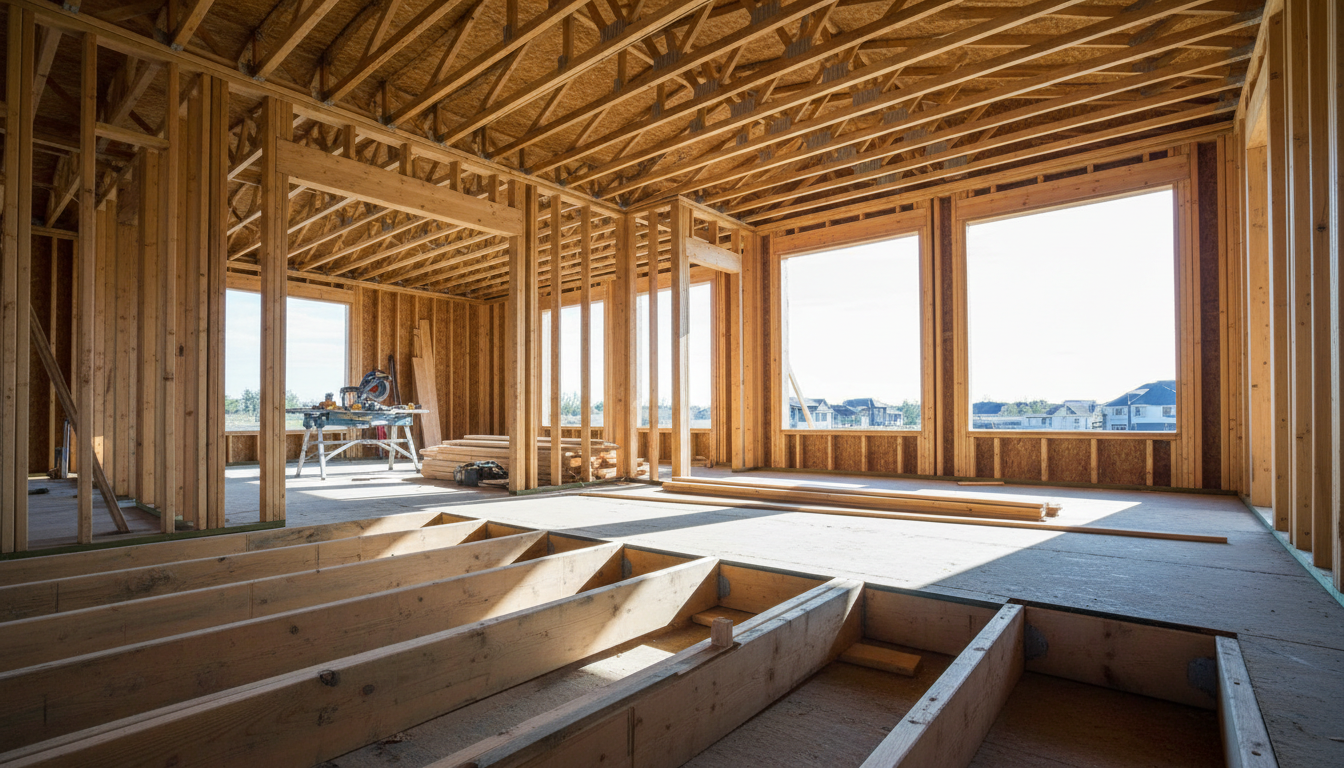
If you're planning a home addition in Visalia, the first number you need is this: standard grade construction runs approximately $150.94 per square foot, according to ProMatcher's local data, with a range of $116.62 to $185.25 depending on scope and finish level. When you factor in the full project, Homeyou puts average total costs between $44,752 and $65,569 for most Visalia homeowners, with outliers ranging from $13,526 on the low end to $112,719 for larger or more complex additions.
Those numbers carry real meaning when you compare them to the rest of California. Bay Area home addition costs routinely land between $250 and $650 per square foot. Orange County runs $150 to $500 per square foot, and even at the low end of that range, you're paying more than the Visalia average. The reason is straightforward: Visalia sits in the Central Valley, where both labor and materials cost meaningfully less than in coastal markets. Skilled trades are available here without the premium pricing baked into Los Angeles or San Jose bids, and local material supply chains are shorter and more competitive.
This cost advantage is one reason homeowners in Tulare County are increasingly choosing to expand in place rather than sell and move up. Our home addition and remodeling services are built around these local realities, not statewide averages that don't reflect what construction actually costs here.
Visalia Addition Costs by Room Type: Bedroom, Master Suite, Bathroom, and More
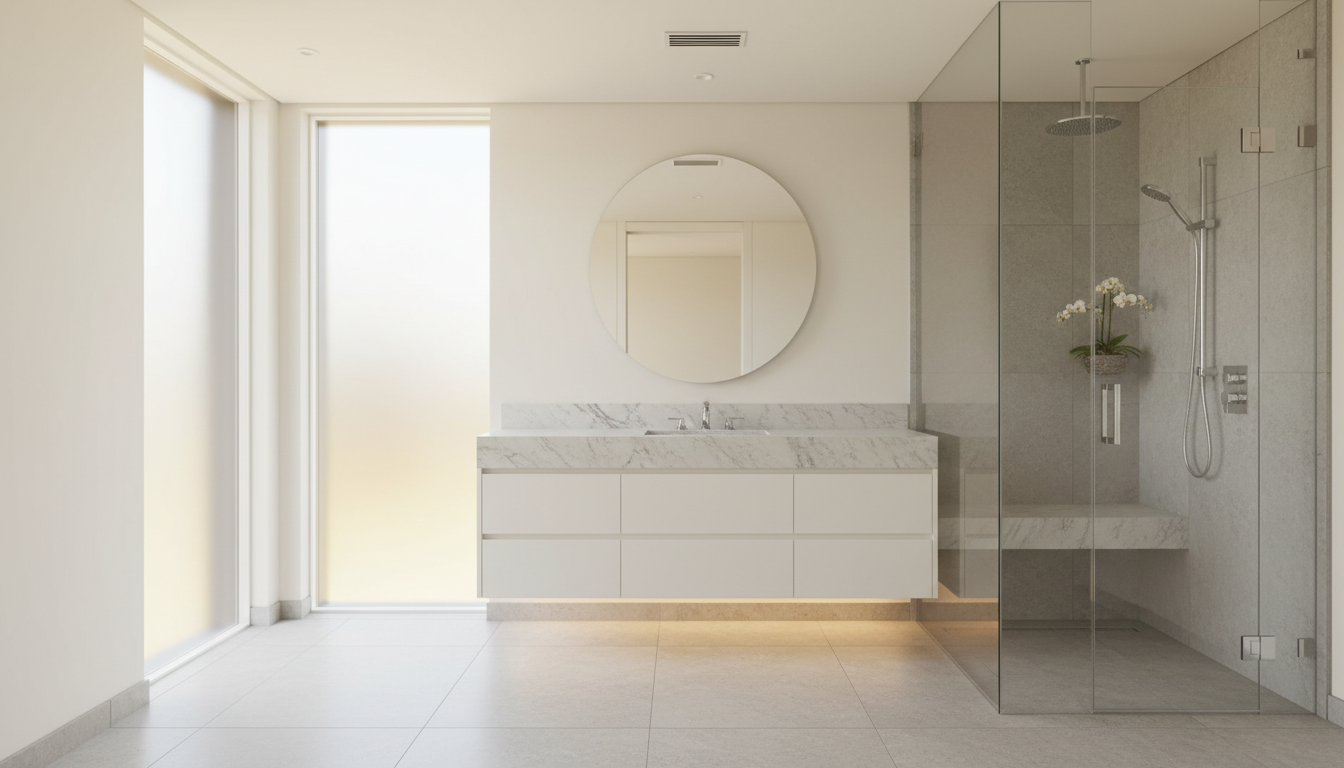
Knowing the per-square-foot rate is useful, but most homeowners think in terms of actual rooms, not abstract square footage. Here is what specific addition types realistically cost at current Visalia rates.
Addition Type | Typical Size | Estimated Cost Range |
|---|---|---|
Bedroom addition | 200 to 300 sq ft | $45,000 to $75,000 |
Master suite addition | 400 to 500 sq ft | $75,000 to $110,000 |
Bathroom addition | 80 to 120 sq ft | $40,000 to $70,000 |
Family room or bump-out | 250 to 400 sq ft | $35,000 to $65,000 |
Sunroom or enclosed patio | 150 to 300 sq ft | $20,000 to $45,000 |
A few things drive the variation within each range. The master suite figure, which is one of the most searched terms we see from Visalia homeowners, reflects a combined bedroom and bathroom footprint. The bathroom component is what pushes that cost higher relative to a standalone bedroom addition of similar square footage, because wet spaces require plumbing rough-in, waterproofing, tile work, and fixture installation that a dry room simply does not.
That wet-versus-dry distinction matters across the board. A standalone bathroom addition costs more per square foot than a bedroom of comparable size. A family room bump-out is comparatively efficient because it is essentially framing, insulation, windows, and flooring with no plumbing trade involved.
For homeowners searching about a 12x12 room addition, that comes out to roughly 144 square feet. At Visalia's current rate range, expect approximately $17,000 to $27,000 for a basic dry room at that size. Keep in mind that fixed costs like permits, foundation work, and utility tie-ins are spread across fewer square feet at smaller sizes, which is why the per-square-foot cost tends to run higher on compact additions than on larger projects.
What Drives Home Addition Costs in the Central Valley
Those per-room estimates don't appear from thin air. Several specific variables determine where your project lands within any given range, and understanding them helps you make smarter decisions before you talk to a contractor.
Labor is the single largest line item in most addition budgets. Central Valley rates run below what coastal contractors charge, but that gap has narrowed since 2021. Skilled framing crews, electricians, and plumbers are in steady demand across Tulare County, and experienced subcontractors book out weeks in advance during busy seasons. You're not paying San Jose rates, but you're also not working with an unlimited labor pool.
Materials fluctuate, but Visalia's position in the Central Valley offers a practical advantage. Local lumber yards and building supply operations here tend to maintain more competitive pricing than coastal markets, where supply chains are longer and markups higher. Lumber, concrete, and roofing materials are your three biggest material categories, and sourcing locally when possible keeps those numbers in check.
Square footage and fixed costs interact in ways that catch homeowners off guard. Permits, foundation work, and utility tie-ins cost roughly the same whether you're adding 150 square feet or 400. Spread across a smaller footprint, those fixed costs push the per-square-foot rate up sharply. That's why the 12x12 addition discussed earlier costs more per square foot than a master suite.
Wet versus dry spaces reinforce the same pattern. Plumbing rough-in, waterproofing membranes, and fixture installation add cost that a bedroom or home office simply doesn't carry.
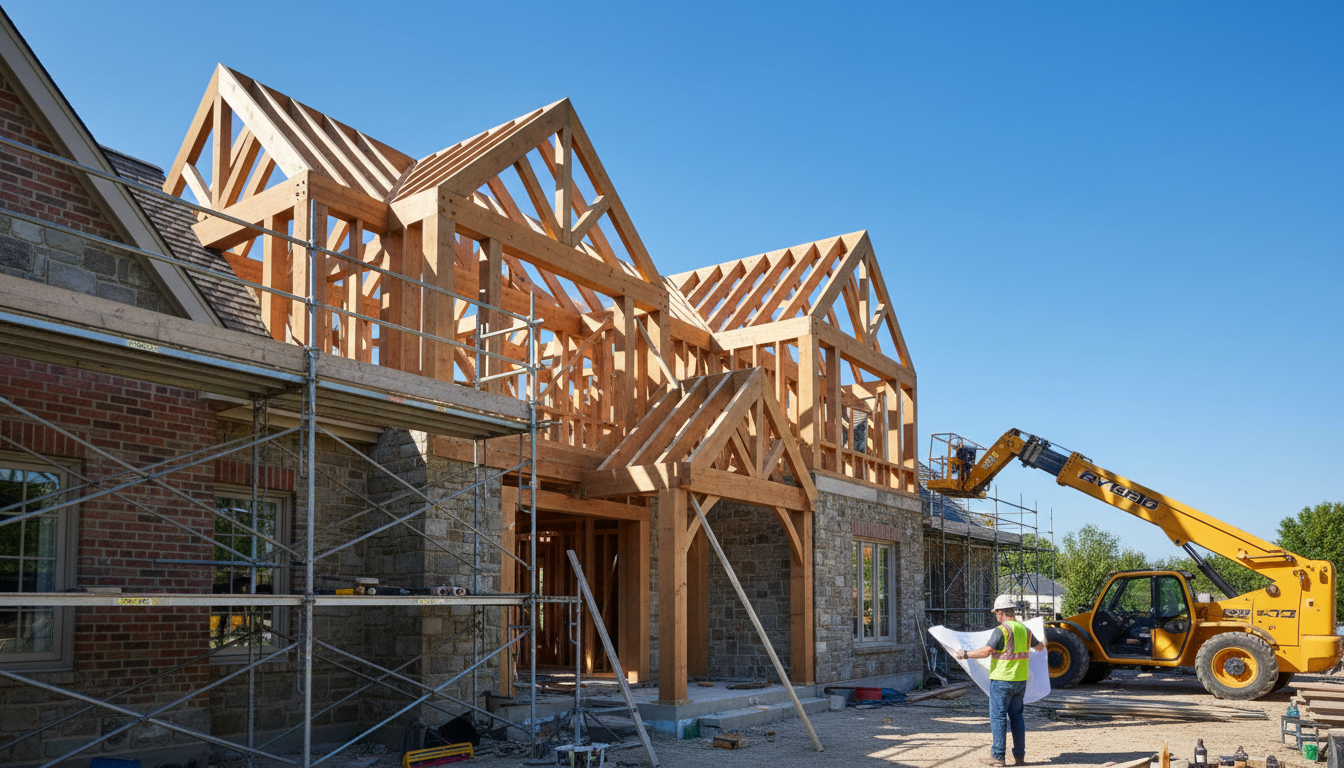
Building out versus building up is where the most significant cost divergence occurs. A second-story addition in Visalia typically runs $300 to $500 per square foot because it requires structural engineering, reinforcement of the existing foundation and wall system, and more complex roofing work. For homeowners asking about adding 1,000 square feet in California, the answer depends heavily on this choice: a single-story horizontal addition at Visalia rates could land between $117,000 and $185,000, while a second story at the same square footage could push $300,000 or more.
Fortunately, many Visalia neighborhoods sit on lots that are genuinely spacious by California standards. Unlike properties in Los Angeles or San Francisco where setbacks and lot coverage limits force vertical solutions, many homes here have room to build out, which keeps costs closer to that lower range.
Visalia Permits and the City Building Department: What to Expect

Understanding what your project costs in materials and labor is only part of the picture. Before a single nail goes in, any home addition in Visalia requires a building permit through the City of Visalia Building and Safety Division. There is no gray area here: California law requires permits for additions that create new conditioned space, and Visalia enforces this through its local process.
For plan check submittal, expect to provide a site plan showing your lot and the proposed addition footprint, architectural drawings with dimensions and details, Title 24 energy compliance documentation, and structural calculations stamped by a licensed engineer. Title 24 applies to all new conditioned space, which means your addition must meet current insulation standards, use energy-efficient windows, and include compliant HVAC. These are not optional upgrades; they are code requirements that affect both your design and your budget.
Zoning adds another layer specific to Visalia. Setback requirements from property lines, lot coverage limits, and height restrictions vary by neighborhood zone across the city. What is permissible in one part of Visalia may not be allowed in another. Verifying your zoning classification before finalizing your design prevents costly plan revisions late in the process.
On timeline, plan check alone typically runs 4 to 8 weeks with the City of Visalia. That window needs to be built into your project schedule from day one, not treated as a surprise after design is complete. Once permits are issued, inspections are required at foundation, framing, rough mechanical and electrical and plumbing, insulation, and final completion stages.
Unpermitted additions create real problems at resale and refinancing. Lenders and buyers routinely flag unpermitted square footage, and retroactive permitting can be far more expensive than doing it correctly the first time. If you want to get in touch with our Visalia team, we handle the permit process as part of our project management from the start.
Is a Home Addition Cheaper Than Moving in Visalia?
The permit process is behind you and your design is locked in. Now comes the question many Visalia homeowners ask before they ever call a contractor: would it be cheaper to just buy a bigger house?
The honest answer depends on your specific situation, but the math in Visalia currently favors adding on for most families. Here is why. If you purchased your home several years ago, you likely carry a mortgage rate well below what today's market offers. Trading that loan for a new one on a larger home means not just a higher purchase price, but a substantially higher monthly payment. When you add agent commissions, closing costs, and moving expenses, a typical move-up transaction in Visalia can easily add $25,000 to $40,000 in friction costs before you've bought a single piece of furniture.
Compare that to a bedroom or master suite addition in the $75,000 to $110,000 range. You're adding meaningful square footage, keeping your existing rate, and staying in the school district that already works for your family. For households in northwest Visalia or along the Mooney Boulevard corridor, where school assignments and established neighborhood ties carry real value, that continuity matters.
That said, adding on is not always the right call. If your lot is genuinely constrained, if the floor plan cannot function well with an addition attached, or if the project cost would push your home's value significantly above comparable Visalia properties, the return on that investment weakens. An addition that over-improves relative to the neighborhood rarely returns full value at resale.
The clearest way to frame the decision is this: calculate the price difference between your current home and a larger comparable home, then add transaction and moving costs. If a well-scoped addition costs less than that combined figure and solves the same space problem, staying put is almost always the stronger financial move.
How Long Does a Home Addition Take in Visalia?
Once you've worked through the financial case for adding on, the next practical question is time. From first contractor meeting to finished space, most Visalia home additions take 4 to 8 months when you account for every phase honestly.
Here is how that timeline breaks down:
Phase | Typical Duration |
|---|---|
Design and planning | 2 to 6 weeks |
Permit submittal and City of Visalia plan check | 4 to 8 weeks |
Construction: bedroom or family room addition | 6 to 12 weeks |
Construction: master suite or bathroom addition | 10 to 16 weeks |
Final inspection and punch list | 1 to 2 weeks |
The permit phase is where homeowners most often underestimate their schedule. As covered earlier, the City of Visalia plan check alone runs 4 to 8 weeks, and that clock doesn't start until your submittal package is complete and accepted. Design revisions requested during plan check can extend that window further.
Central Valley summers add a practical complication. Extreme heat affects both crew scheduling and material delivery, particularly for roofing and concrete work. Projects that begin construction in late spring can face slower progress through July and August. Starting design in late summer or fall often puts groundbreaking in a more workable season.
Build buffer time into every phase, not just construction. Subcontractor availability in Tulare County tightens during peak season, and a one-week delay in framing can push electrical and plumbing inspections back by two or three weeks.
Tips to Keep Your Visalia Home Addition on Budget
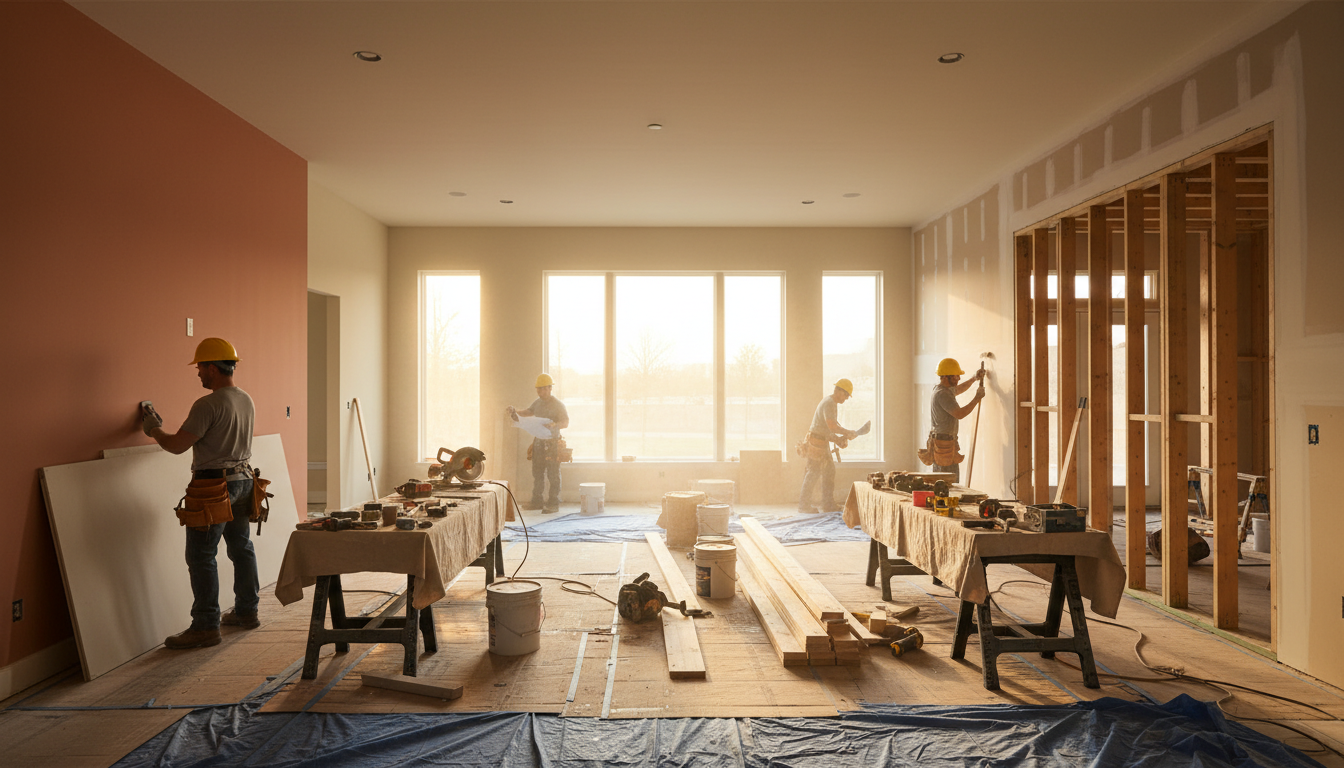
That 4 to 8 month timeline is manageable, but only if the budget holds. Cost overruns are where most additions go sideways, and most of them are preventable with the right decisions made early.
Get at least three bids from licensed Visalia-area contractors. A 20 to 30 percent spread between bids on the same scope is common in Tulare County. That gap is not always about quality; it often reflects how busy a contractor is, how they structure overhead, and whether they self-perform certain trades.
Lock your design before breaking ground. Change orders mid-construction are the single most reliable way to blow a budget. When framing is already up, moving a wall or relocating a bathroom costs two to four times what it would have cost on paper.
Build out, not up, when your lot allows. As covered earlier, second-story additions run $300 to $500 per square foot in this market. If your setbacks and lot coverage permit a horizontal addition, the savings are substantial.
Schedule outside peak season. Spring and summer keep Central Valley contractors booked tight. Fall and winter starts often bring better subcontractor availability and occasionally better pricing.
Invest in structure and systems, not initial finishes. Standard-grade cabinets and basic flooring can be upgraded years later. Framing, insulation, electrical panels, and plumbing rough-in cannot be easily revisited once walls are closed.
Don't over-improve for your block. An addition that pushes your home well above comparable Visalia properties will rarely return full value at resale. Check what similarly sized homes in your neighborhood are selling for before finalizing scope.
Work with a contractor who manages subs directly. Markup layers added by general contractors who subcontract to other GCs inflate costs without adding value. When you get in touch with our Visalia team, you're working with a firm that handles subcontractor coordination in-house as part of our home addition and remodeling services.
Navigating the costs of a home addition in Visalia involves balancing your vision with current market realities. By understanding these 2026 projections, you can approach your project with confidence and clarity. If you find that you want expert guidance to navigate the design and construction phases, we are here to support your goals. You can explore our Services to see how we help homeowners turn these detailed plans into high quality living spaces. We look forward to helping you build something lasting.