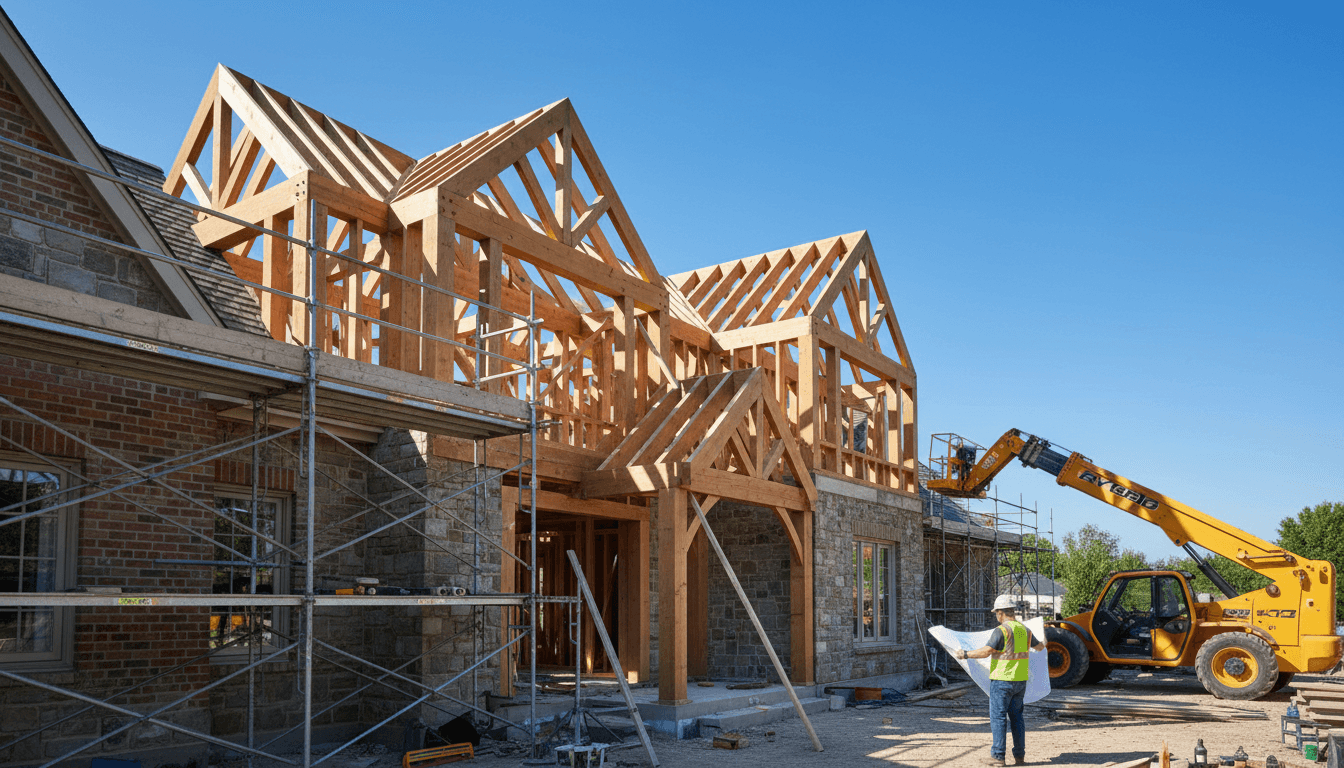
The California 2026 building code changes Visalia homeowners will encounter include mandatory heat pump installations, electric-readiness for new construction, and strengthened ventilation standards. Effective January 1, 2026, these Title 24 updates also reinforce solar requirements and EV charging infrastructure to meet statewide energy efficiency goals. These regulations aim to improve long-term sustainability while addressing seismic safety and wildfire protection.
Navigating the shifting landscape of California building regulations often feels like hitting a moving target, especially when your home renovation or new build is on the line. As we approach the January 1, 2026, effective date for the new 2025 Energy Code, Visalia homeowners face significant updates that will fundamentally change how projects are designed and permitted. These changes are not just bureaucratic hurdles; they represent a major shift toward total electrification and enhanced wildfire resilience. In this guide, Forge and Frame Trades breaks down the technical requirements of the upcoming Title 24 transition. You will learn about mandatory heat pump installations, new solar and battery storage mandates, and updated envelope standards for windows and insulation. We also provide practical advice on navigating the Visalia permit counter to ensure your project remains compliant, efficient, and cost-effective under the new 2026 standards.
The 2025 Energy Code Transition: January 1, 2026 Effective Date
The transition to the 2025 Energy Code follows a specific regulatory timeline that every local developer and homeowner should track. While the state labels this the 2025 Energy Code, it officially takes effect for all permit applications submitted on or after January 1, 2026. This shift is part of California’s standard triennial update to Title 24, the state’s Building Standards Code, which serves to improve efficiency and safety across the construction industry every three years.
However, this particular cycle is uniquely critical because of Assembly Bill 130. This legislation freezes updates to residential building codes after this cycle until at least 2031. For those planning new home construction or extensive custom home building projects in our area, these rules will remain the governing standard for the next five years. This extended period of stability means the choices made during the design phase today will dictate the efficiency and marketability of Visalia properties for the next half decade.
Because of this freeze, the California 2026 building code changes Visalia property owners must navigate now will have long term implications for property value. Projects submitted to the city permit counter by December 31, 2025, follow the current 2022 standards. Anything submitted on New Year’s Day or later must comply with the new, more rigorous requirements. Proper planning ensures your project is not caught in a costly mid-design transition.
Heat Pumps and Electrification: The New Standard for Central Valley Homes
The most significant shift within the California 2026 building code changes Visalia homeowners must prepare for is the transition toward full-building electrification. The 2025 Energy Code establishes heat pumps as the prescriptive path for both space and water heating. In the language of Title 24, a prescriptive requirement is the baseline standard. While gas is not explicitly banned, opting for a gas-fired furnace or water heater now requires the project to offset that energy use with extreme efficiency measures elsewhere in the building envelope. This makes all-electric systems the most practical and cost-effective route for most new home construction projects.
In Climate Zone 13, which encompasses the Visalia area, the performance of high-efficiency heat pumps is particularly relevant. These systems move heat rather than generating it through combustion, offering a dual-function solution for our local environment. During our notorious 100-degree summers, modern heat pumps provide superior dehumidification and cooling. During the winter, they extract ambient heat from the outside air to maintain indoor comfort. For custom home building, the California Energy Commission (CEC) has streamlined these standards to ensure that heat pumps are the default choice for installers.
The state’s goal of installing six million heat pumps by 2030 underscores this regulatory push. Beyond simple compliance, the move toward electrification addresses indoor air quality by removing combustion byproducts from the home. For major remodels involving HVAC replacement, the new code also encourages electric-readiness. This means even if a homeowner maintains a gas appliance for now, the electrical panel and dedicated circuitry must be in place to support a future transition to electric. By aligning with these standards now, property owners avoid the high costs of future retrofitting while meeting the state's aggressive carbon reduction targets.
Solar and Battery Storage Requirements for 2026
The 2025 Energy Code significantly expands the scope of the original California Solar Mandate. For projects involving new home construction and many larger custom home building efforts, it is no longer sufficient to simply install photovoltaic (PV) panels. The California 2026 building code changes Visalia builders must follow now require solar systems to be paired with a Battery Energy Storage System (BESS). This shift reflects the California Energy Commission’s (CEC) focus on grid reliability rather than just total energy production.
Requirement Component | 2022 Standards | 2026 Standards (Effective Jan 1, 2026) |
|---|---|---|
Solar PV Mandate | Required for most new residential | Required for most new residential |
Battery Storage (BESS) | Optional/Encouraged | Prescriptive requirement for new builds |
Peak Demand Focus | General efficiency | Targeted discharge (4 p.m. to 9 p.m.) |
Primary Goal | Annual energy offset | Grid reliability and load shifting |
A key mechanism in these updates is the 33 percent rule, which essentially requires that battery storage be sized to handle a significant portion of the solar system’s daily output. The intent is to ensure that a house can autonomously support itself between 4 p.m. and 9 p.m. During these peak hours, the local grid faces its highest demand while solar production naturally drops. By storing power in a BESS, homeowners can effectively shift their energy consumption, reducing reliance on the grid during expensive peak periods and supporting statewide decarbonization goals.
Exemptions do exist for specific site conditions. If a property has limited solar access, such as significant shading from neighboring structures or protected trees that cannot be removed, the requirement for PV or storage may be reduced or waived. Similarly, very small additions or certain detached ADUs may fall under different thresholds depending on their square footage and existing panel capacity. However, for standard residential lots in Visalia, integrating storage is becoming the baseline. These systems do more than meet code; they provide a layer of energy independence that is increasingly valuable during the Central Valley’s high-demand summer months.
Updated Envelope Standards: Windows and Insulation in Visalia
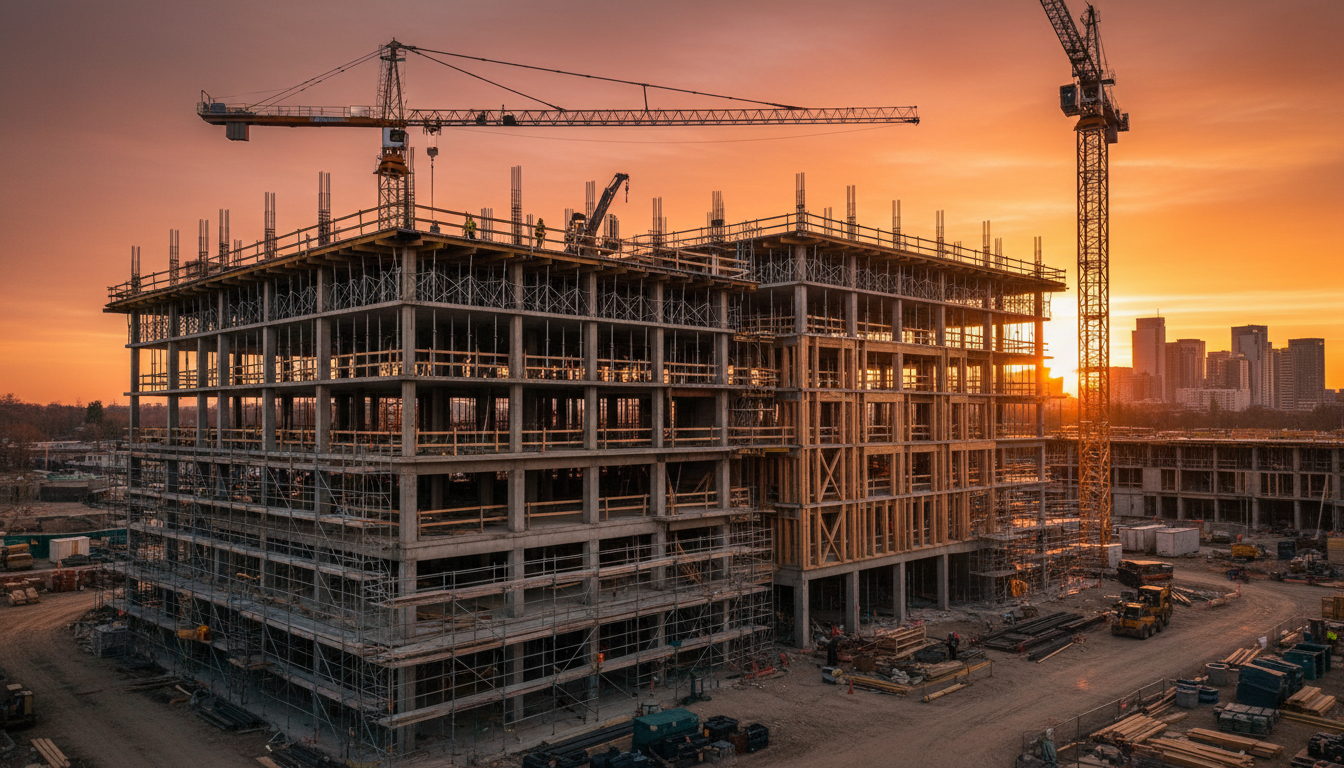
The building envelope acts as the primary barrier against Visalia’s intense summer heat. Under Title 24, Part 6, the 2025 Energy Code introduces more stringent requirements for windows and wall assemblies. For new home construction, the mandatory U-factor for windows has been lowered. A lower U-factor indicates better insulating properties; high-performance windows are now essential to meet the prescriptive path. These units significantly reduce solar heat gain, which is critical when outdoor temperatures exceed 100 degrees for weeks at a time.
Improved framed wall construction standards also take a step forward in 2026. Builders must now account for thermal bridging more aggressively. This often involves a combination of high R-value cavity insulation and continuous exterior insulation. By creating a more thermal-resistant shell, the California 2026 building code changes Visalia residents face will directly decrease the daily load on HVAC systems, allowing heat pumps to operate much more efficiently.
Envelope Component | New Construction Standard | Additions/Remodels |
|
|---|---|---|---|
Window U-Factor | Stricter mandatory limits (typ. 0.28 or lower) | Based on altered glass area | |
Wall Insulation | High-performance (Cavity + Continuous) | Context-dependent cavity R-values | |
Thermal Bridging | Mandatory mitigation through exterior foam | Encouraged but often optional | |
HVAC Load Impact | Maximum reduction for 100+ degree days | Significant reduction in new space |
While custom home building projects must meet the most rigorous performance standards, home additions or major remodels follow different sets of rules. Additions under 1,000 square feet may only need to meet specific u-factor averages rather than the full suite of new-build requirements. However, aligning with the higher standards during a remodel provides the best protection against rising utility costs in the Central Valley. Investing in a superior envelope ensures the home remains comfortable even when the local grid is under maximum stress.
Wildfire Protection and the New WUI Code (Part 7)
Beyond thermal efficiency, the state is addressing physical resilience through Title 24, Part 7. This represents the first time California has consolidated its wildfire resistant construction standards into a single, dedicated Wildland-Urban Interface (WUI) Code. Previously, these requirements were scattered across various sections of the building and fire codes, making compliance a moving target for developers. For homeowners planning new home construction in the foothills or along the eastern outskirts of Visalia toward the Sierra Nevada, this consolidation provides a much clearer roadmap for safety.
The California 2026 building code changes Visalia projects must adhere to include specific mandates for ignition resistant materials. These requirements focus on the most vulnerable points of a structure during a wildfire, ensuring the building can withstand radiant heat and ember storms.
Building Component | Mandatory WUI Requirement |
|---|---|
Exterior Vents | Must be ember resistant to prevent internal ignition |
Decks and Patios | Non combustible or ignition resistant materials |
Eaves and Soffits | Enclosed design with fire rated materials |
Exterior Walls | Non combustible assembly or ignition resistant siding |
When we approach custom home building in these higher risk zones, our team prioritizes materials that exceed these baselines. The new Part 7 ensures that every component, from the type of vent mesh used to the specific treatment of exterior cladding, works together to defend the home. This regulatory shift simplifies the permitting process by providing a unified set of standards for projects located in areas where the valley floor meets the rugged terrain of the Sierras.
Navigating the Visalia Permit Counter Under New Codes
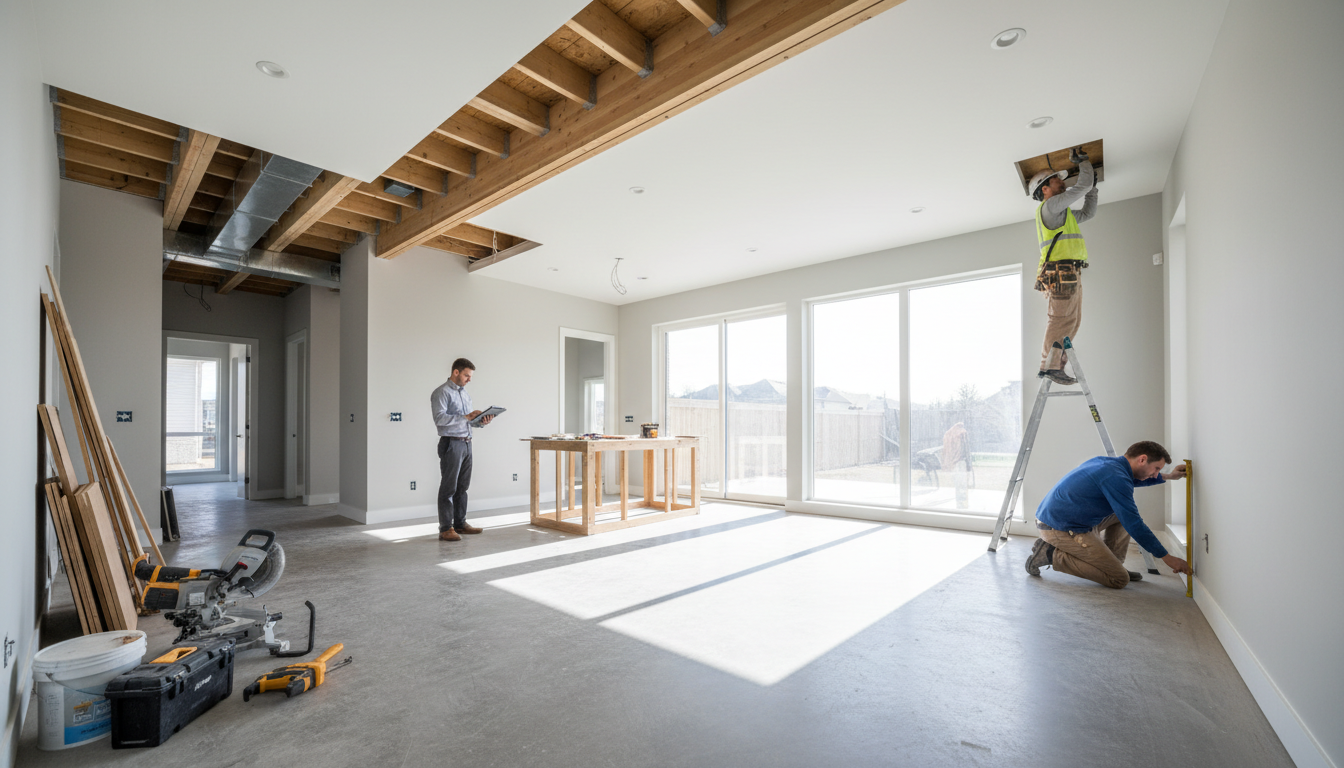
Securing approval for new home construction requires a clear understanding of the local intake process at the City of Visalia Permit Counter, located at City Hall East. The timing of your submission is the most critical factor in determining which regulations apply to your project. If your complete application is logged into the city system by December 31, 2025, your design remains governed by the 2022 standards. If your submission falls on or after January 1, 2026, you must fully integrate the California 2026 building code changes Visalia has adopted into your plans.
A complete submittal package is more than just architectural drawings. For custom home building, the permit counter requires a formal Title 24 Report, also known as Title 24 Calculations. This document, prepared by a certified energy consultant, proves your project meets the energy budget allowed by the state. Attempting to submit without these calculations will result in immediate rejection at the counter, delaying your construction timeline.
Document Type | Requirement | Purpose |
|---|---|---|
Title 24 Report | Mandatory | Verifies compliance with Part 6 energy standards |
CF1R-PRF-01-E | Required for Permit | Official certificate of compliance for residential energy |
Site Plan | Mandatory | Must show EV charging locations and solar/BESS layout |
Navigating these administrative hurdles requires a partner who understands the specific preferences of local plan checkers. If you are unsure how these deadlines affect your timeline, contact our team to review your current plans before the January transition.
Cost Impact vs Long Term Savings for Homeowners
Implementing the California 2026 building code changes Visalia projects must now accommodate requires a clear view of the financial landscape. Upfront costs for new home construction are expected to rise; the California Energy Commission (CEC) estimates these updates add approximately $9,500 to the average residential project. This increase primarily covers the integration of battery storage, high-efficiency heat pumps, and enhanced building envelopes. However, this initial investment is offset by a projected $5 billion in statewide energy savings over the next 30 years.
Financial Metric | Estimated Impact (Residential) |
|---|---|
Average Construction Cost Increase | $9,500 |
Projected Statewide Energy Savings | $5 Billion over 30 years |
GHG Emission Reduction Equivalent | 500,000 plus homes |
Real Estate Market Value Impact | High efficiency homes command 3 to 5 percent premiums |
Local incentives help mitigate these initial expenses. Programs from Southern California Edison and other regional utility providers often provide substantial rebates for heat pump installations and electric readiness upgrades. For those engaged in custom home building, these technologies are no longer just luxury features; they are essential for long term asset protection. In the Central Valley real estate market, homes with lower operational costs and built in resilience against extreme heat have a distinct competitive advantage. High performance properties maintain their value more effectively than older, less efficient stock. If you need a detailed breakdown of how these costs apply to your specific site, contact our team for a comprehensive preconstruction consultation.
Navigating the 2026 Title 24 updates is essential for ensuring your Visalia home remains compliant and energy efficient. While these new regulations might seem complex at first, they offer a valuable path toward long term sustainability and lower utility costs for every resident. If you want expert help managing these upcoming requirements for your next project, we invite you to explore our Services to see how we can assist. Our team is here to simplify the process, providing professional guidance so you can focus on building your dream space with confidence.